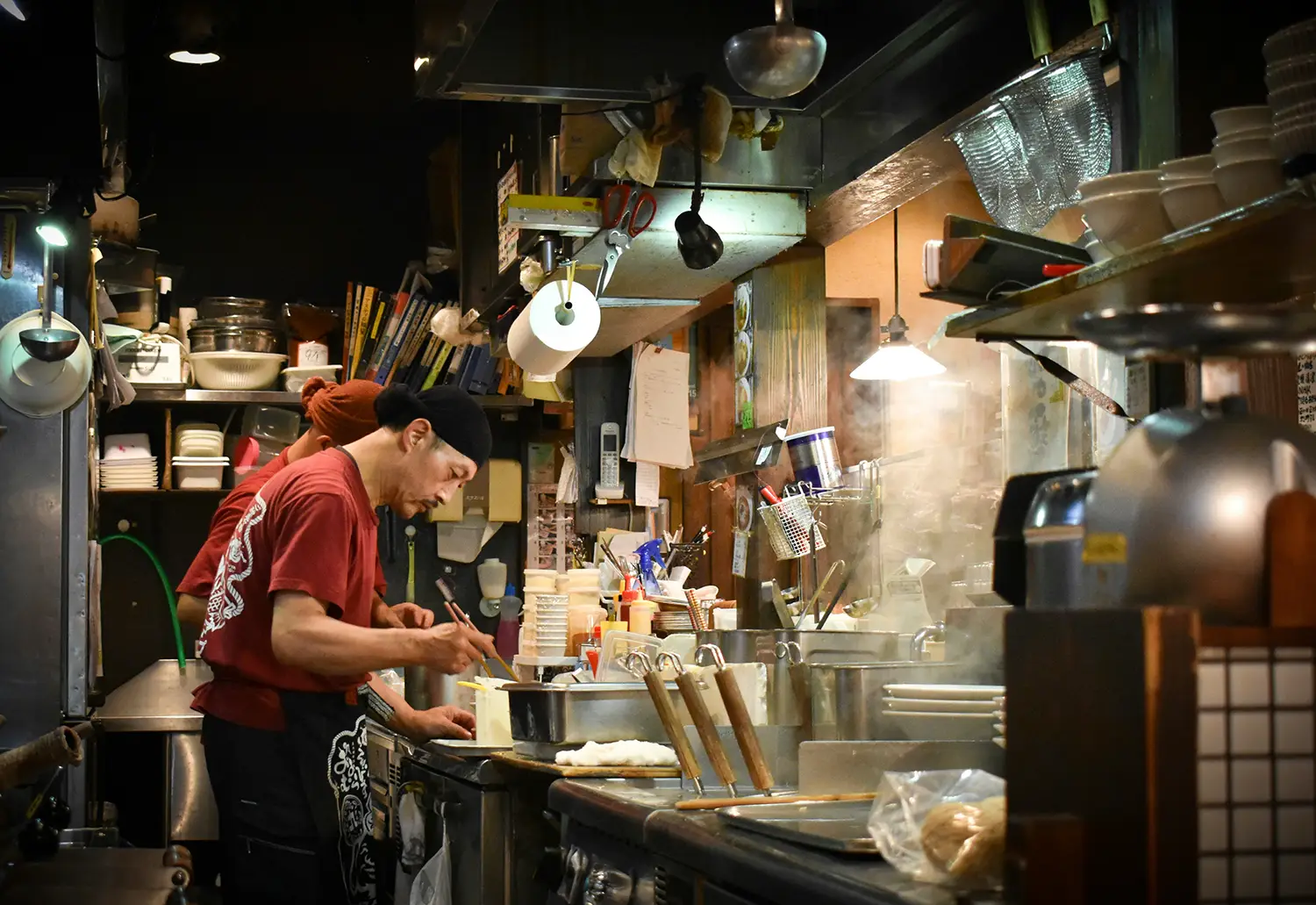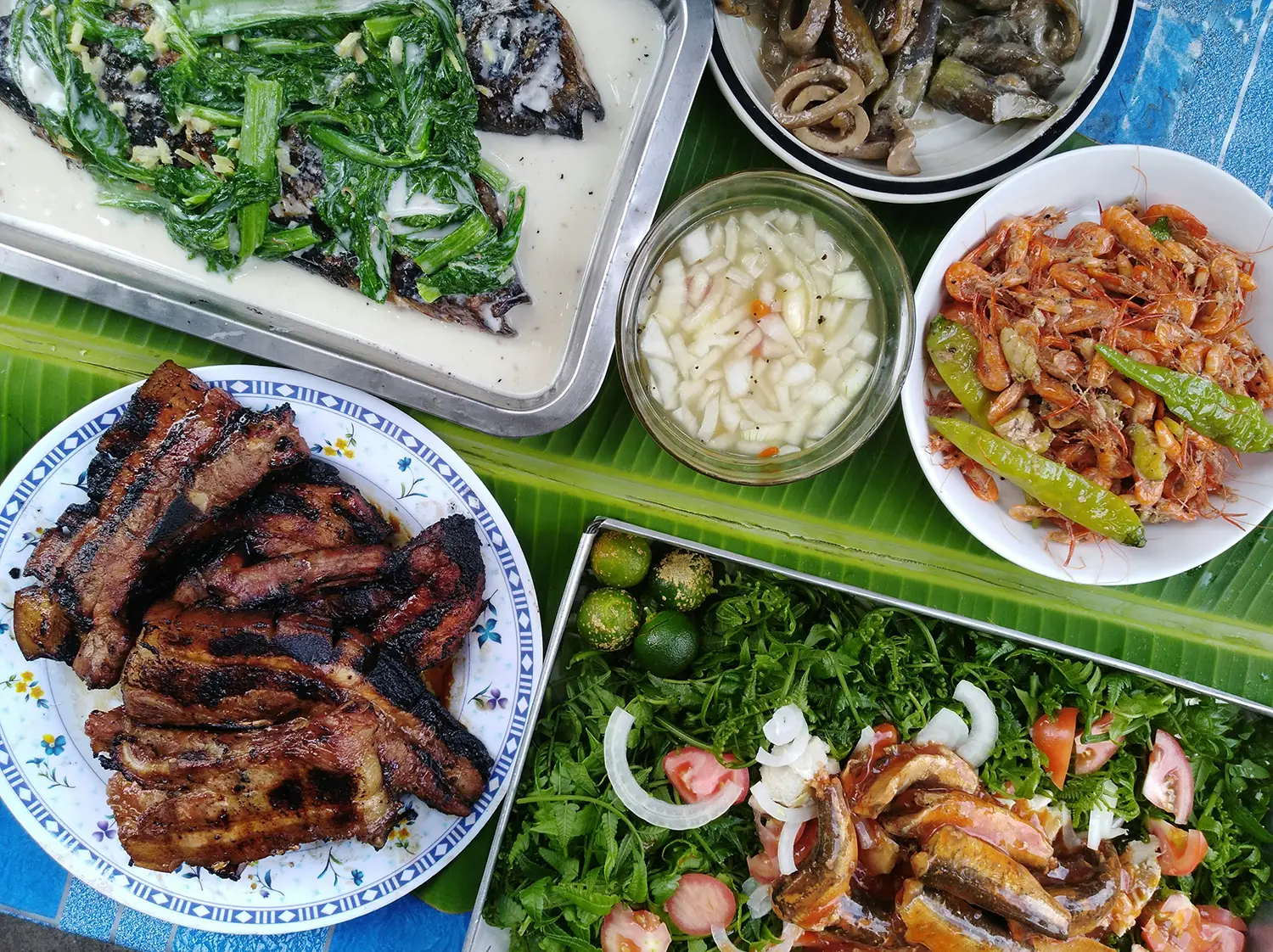
Going to Filipino restaurants and festivals is one of my favorite things to do. What I love about Filipino food culture is that the style of serving customers is very relaxed. It is almost never a rushed experience, but rather a “take your time” feeling.
In the Philippines even more so, because life is very different and people are often in a more relaxed state.
One thing that happens quite often is that an item on the menu is not available, or sometimes even several of them. The staff will simply recommend another item instead.
Personally, I enjoy this part of Filipino culture because you always get a surprise!
I have seen the same thing happen many times in Europe, but for many European customers this is not a pleasant experience. They want to order something they see on the menu and automatically expect it to be available. In other words, they are not looking for surprises.
The Filipino food boom is already happening, partly thanks to the popularity of ube. But for restaurant owners who want to successfully serve not only Filipinos but also a wider audience, it is crucial that the menu and corresponding processes are designed in a way that allows the restaurant to operate consistently.
I can imagine the struggle, especially if an owner previously had a restaurant in the Philippines. But there are practical ways to make the operation more consistent.
One of the main things I often stress to restaurant owners is: decide what you want to serve and stick to it. It sounds easy, but in practice this can be a tough one.
If certain items do not sell well, you could review the menu every three to six months and remove, change or add an item. This brings us to the next important question: how many items do you actually need on your menu?
It is often much better to keep things simple and limit the number of choices a customer needs to make. This is usually better for both the customer and the restaurant owner.